
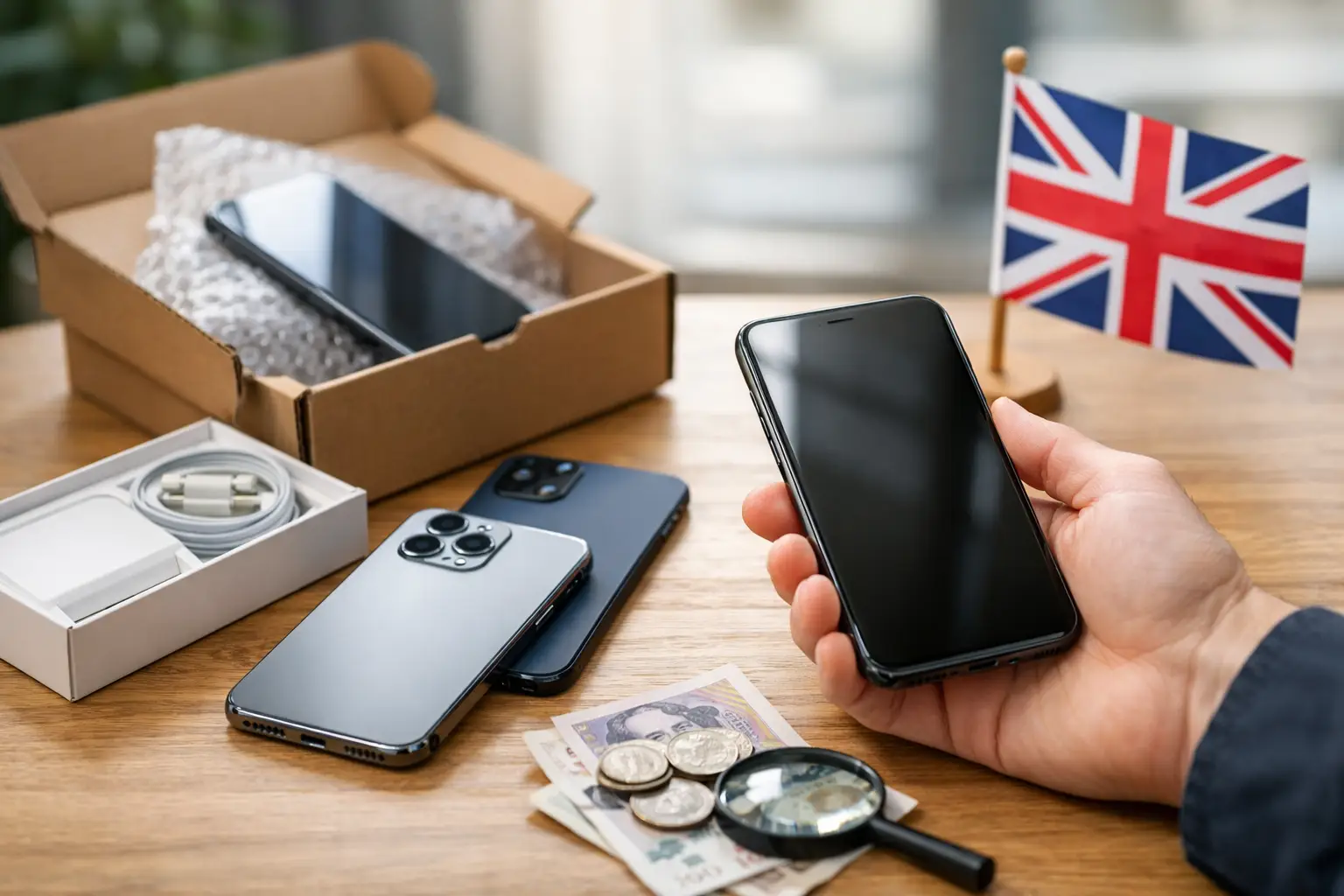
Refurbished Phone Buying Review for UK Buyers
That tempting iPhone or Samsung deal can look brilliant until you notice the battery is tired, the screen has been swapped badly, or the seller cannot explain the warranty. A proper refurbished phone buying review is not about finding the cheapest handset on the page. It is about working out whether the price, condition and after-sales support actually make sense for your money.
For many UK buyers, refurbished is the sweet spot between buying brand new and taking a gamble on used. You can save a decent amount, still get a working handset with some checks carried out, and often pick up a better model than your budget would allow if you bought new. But not every refurbished phone is refurbished to the same standard, and that is where people get caught out.
What refurbished really means
A refurbished phone is usually a pre-owned handset that has been tested, cleaned and, where needed, repaired before being sold again. That sounds straightforward, but the standard can vary a lot. One retailer may replace poor batteries, test every sensor and offer a 12-month warranty. Another may simply wipe the phone, confirm it powers on and call it refurbished.
This is why the label alone should never make the decision for you. Refurbished is not a magic word. It only has value when you know what work has actually been done and what protection you get if something goes wrong.
In practical terms, refurbished sits somewhere between used and new. It should be more reliable than buying from a private seller with no comeback, but it will still involve compromise. You may get light cosmetic wear. You may not receive the original box or accessories. You may also find battery health is acceptable rather than excellent.
Refurbished phone buying review – what matters most
The best buying decision usually comes down to five things: condition, battery, warranty, network status and price difference versus new. If one of those looks weak, the whole deal starts to wobble.
Cosmetic grade is only part of the story
Most sellers use condition labels such as Excellent, Very Good, Good or Fair. These grades usually describe appearance, not long-term performance. A phone marked Fair may work perfectly but show visible scratches. A phone marked Excellent may look smart but still have average battery health.
Always treat grading as a guide, not a guarantee. Read the description closely. If the listing only uses broad phrases and avoids specifics, that is not ideal. Better sellers explain whether marks are on the frame, screen or back, and whether replacement parts were used.
Battery health can make or break the value
Battery condition is one of the biggest differences between a satisfying refurbished purchase and an annoying one. If a battery drains quickly, even a cheap phone can feel poor value within days.
For iPhones, battery health is easier to assess because the percentage can often be checked in settings. Many buyers aim for 85 per cent or above, though 90 per cent or above is better if the price is not much higher. For Android phones, battery health can be harder to verify, so the seller’s testing standards matter more.
If the battery has been replaced, ask whether it was replaced with an original manufacturer part or a compatible third-party one. A good third-party battery can be fine, but quality varies.
Warranty is where refurbished starts to justify itself
If you are paying extra compared with a standard used listing, the warranty should be part of the reason. A short guarantee of 30 days is better than nothing, but 6 to 12 months is usually where refurbished starts to feel more secure.
The returns process matters as much as the warranty length. A seller may advertise a long warranty but make claims awkward or slow. Check whether faults are repaired, replaced or refunded, and whether accidental damage is excluded, which it usually is.
Make sure the phone is not locked, blocked or financed
This is non-negotiable. The phone should be clear of blacklisting, not tied to unpaid finance, and its network status should be clearly stated. An unlocked phone is usually the simplest option for most buyers because it gives you flexibility if you switch providers.
If the phone is locked to a network, the price should reflect that. It is not automatically a bad buy, but it narrows your options and can complicate resale later.
Price only works if the saving is meaningful
Sometimes a refurbished handset is priced so close to a new one that the deal stops making sense. If you are saving only a small amount, you may be better off buying new for full manufacturer support and a fresh battery.
On the other hand, if the refurbished model gives you a higher specification for the same budget, that can be a smart move. Many buyers get better value by buying last year’s flagship refurbished rather than this year’s mid-range phone new.
Which phones tend to make the best refurbished buys
Premium models often make the strongest refurbished buys because they were built to a higher standard in the first place. A well-kept flagship from Apple, Samsung or Google can still feel fast and capable for several years, especially if software support remains available.
Mid-range phones can still be worth buying refurbished, but the savings need to be decent. If the original price was already modest, the discount on a refurbished unit may not be dramatic enough to outweigh the shorter lifespan or weaker cameras.
Older phones are where caution matters more. A low upfront price can be attractive, but if software updates are ending soon or the battery is near the end of its life, the bargain may not last. It depends on your needs. If you only want a backup phone, an older device might be fine. If it is your main handset for work, banking and daily travel, spending slightly more can save hassle.
A practical refurbished phone buying review checklist
Before you buy, slow down and check the listing like you would check a car advert. The useful details should be visible without a chase. Look for the exact model number, storage size, network status, battery information, included accessories, charging condition, screen state and warranty terms.
Photos matter too. Real images are more helpful than stock photos, particularly on classified platforms. They show the actual condition and can reveal uneven gaps, chipped frames or screen lifting. If a seller avoids clear photos of the corners, ports and display, that is worth noticing.
Ask direct questions if anything is missing. Has the screen been replaced? Is Face ID or fingerprint unlock working? Do all cameras function properly? Has the charging port been tested? Is the IMEI clean? Clear answers usually signal a more reliable seller. Vague replies usually do the opposite.
Where buyers go wrong
A common mistake is focusing on the discount and ignoring the total ownership cost. If you buy a phone with a poor battery and need a replacement within a month, your cheap deal is not so cheap anymore.
Another mistake is overvaluing cosmetic condition. A near-pristine body is nice, but not if the speaker crackles, the charging port is loose or the battery is fading. Function should come first.
Buyers also get caught by unrealistic expectations. Refurbished does not mean brand new. Minor marks, generic cables and non-original packaging are normal. The question is whether those compromises are fair for the price.
Buying from a marketplace or local seller
A classified marketplace can be useful because it gives you access to local deals, private sellers and businesses in one place. That can mean better prices and quicker collection options. It also means you need to be more alert, because seller standards can vary.
If you are browsing local listings on platforms such as FreeAdsPost.uk, prioritise ads with detailed descriptions, honest condition notes and clear device information. Meet in a safe public place if collecting, test the phone before handing over money, and avoid rushed transactions. Turn the phone on, check the cameras, connect to Wi-Fi, test the speaker and confirm the IMEI matches what was advertised.
For posted purchases, payment method matters. Choose an option that gives you some buyer protection where possible, especially if you do not know the seller.
Is refurbished worth it?
Usually, yes – but only when the saving is real and the checks are solid. The strongest refurbished deals give you a phone that still has useful life left, battery performance that is good enough for daily use, and enough warranty cover to reduce risk.
If you want the lowest possible price and are happy to accept uncertainty, used may be cheaper. If you want full peace of mind and the latest model, new may be better. Refurbished sits in the middle, and for plenty of UK buyers that middle ground is exactly where the value is.
A smart buy is not the one with the biggest discount badge. It is the phone that fits your budget, does what you need every day, and does not leave you chasing repairs two weeks later.