What Is Buying and Selling Online Called?
Someone selling a used sofa from their flat, a small business taking orders through its website, and a freelancer offering services through a marketplace are all doing the same basic thing. If you have ever wondered what is buying and selling online called, the simplest answer is e-commerce. In everyday use, you might also hear online trading, online selling, digital commerce, or online marketplace activity, depending on how the transaction happens.
That short answer is useful, but it does not tell the whole story. Buying and selling online can cover everything from a one-off local sale to a full-scale retail operation. The right term often depends on who is selling, what is being sold, and where the transaction takes place.
What is buying and selling online called in simple terms?
The most widely accepted term is e-commerce, which is short for electronic commerce. It means buying and selling goods or services over the internet. If money changes hands online, or if a deal is arranged digitally and completed through an internet-based platform, it usually falls under e-commerce.
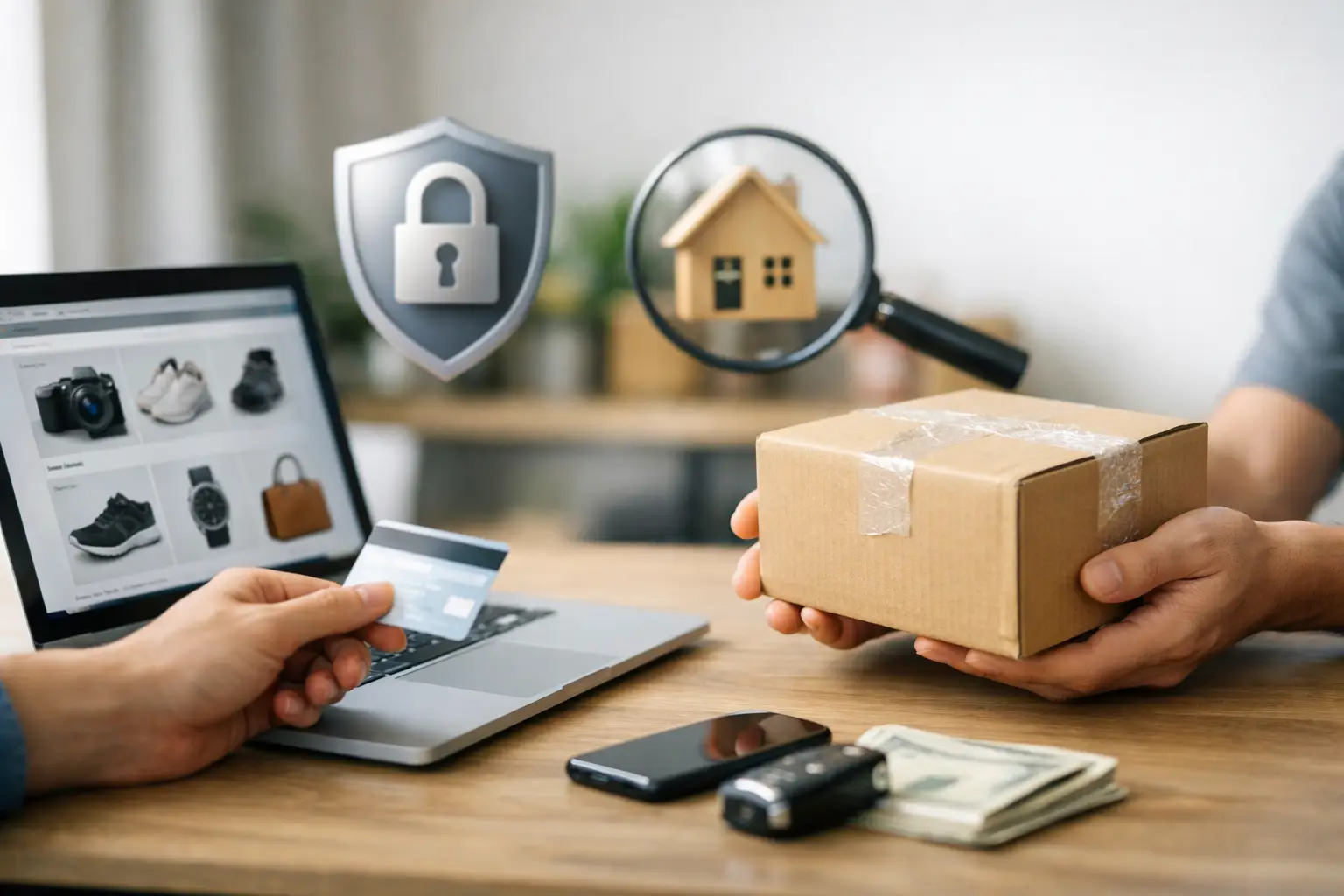
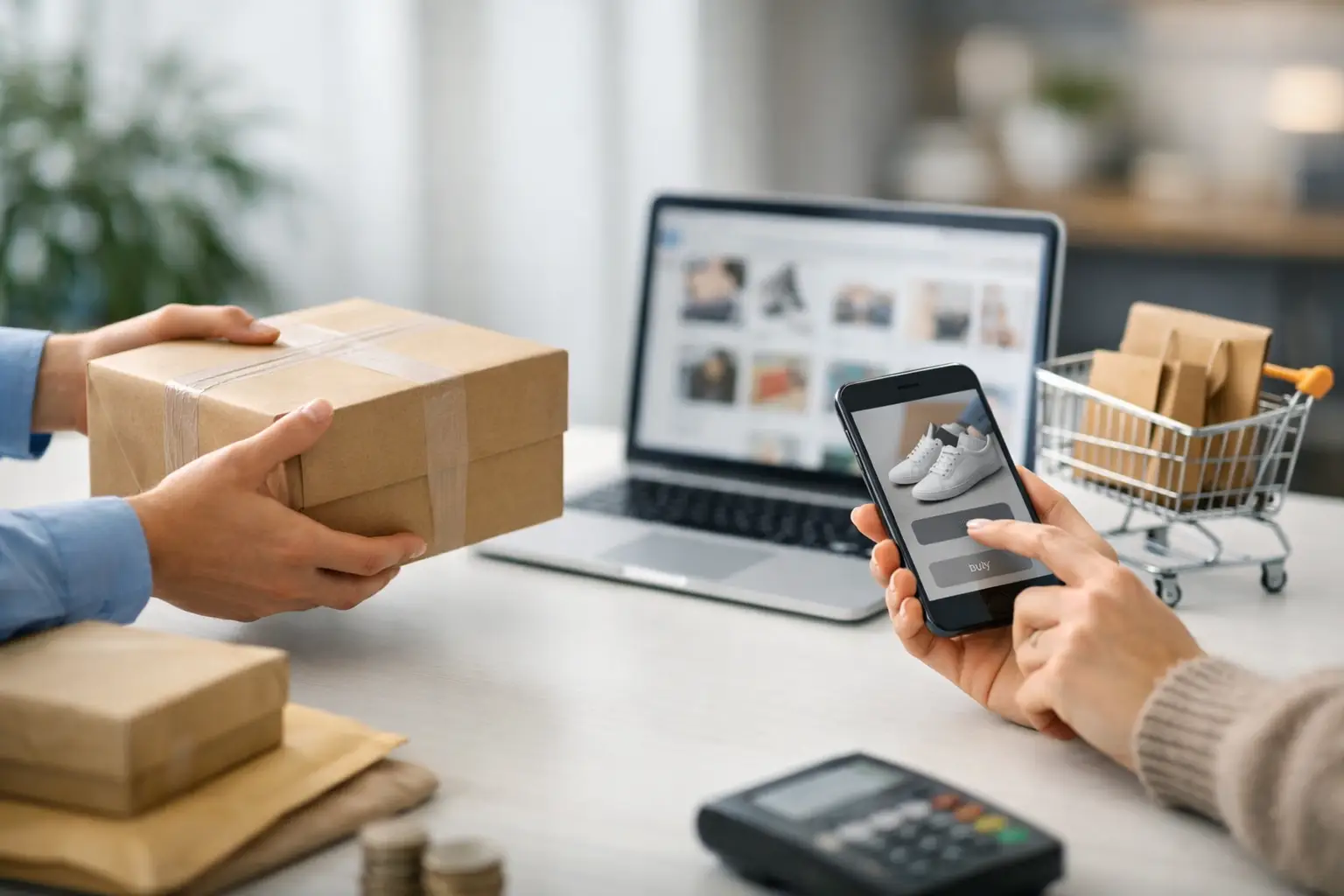
For most people, that includes familiar situations such as buying clothes from an online shop, listing a second-hand phone, booking a service, or ordering furniture for home delivery. The internet acts as the place where buyers and sellers meet, compare options, make contact, and complete transactions.
That said, people do not always use the word e-commerce in casual conversation. A private seller might simply say they are selling online. A local trader might call it online advertising or online sales. A buyer browsing classified listings may think of it as online classifieds rather than e-commerce. These terms are related, but they are not always identical.
E-commerce, online selling and online classifieds
E-commerce is the umbrella term. It covers the broad idea of commercial activity happening online.
Online selling is a more informal phrase. It usually refers to the seller’s side of the transaction. If you are listing products, promoting services, or taking payments through the internet, you are selling online.
Online classifieds are slightly different. A classifieds platform lets users post ads for products, services, jobs, vehicles, property, and more. In some cases, payment happens on the platform. In others, the ad simply helps buyer and seller connect, with the deal completed afterwards. That still sits close to online commerce, even if the final payment is made in person.
This distinction matters because not every online transaction works like a major retail website. Some are direct, instant purchases. Others are lead-based, local, or negotiated. If you are using a classified site to advertise a bike, promote plumbing services, or find a rental property, you are still part of the wider online buying and selling space.
The main types of buying and selling online
When people ask what buying and selling online is called, they are often really asking how the system works. There are a few common models.
Business to consumer
This is often shortened to B2C. It means a business sells directly to an individual customer. Think of an online clothes shop or electronics retailer. This is what many people picture when they hear e-commerce.
Consumer to consumer
This is known as C2C. It happens when one individual sells to another, often through classified ad sites or peer-to-peer marketplaces. Selling a used wardrobe, a bicycle, or a games console online falls into this category.
Business to business
B2B means one business sells to another. That could be wholesale goods, software subscriptions, office equipment, or specialist services. It is still e-commerce, but the process is usually more commercial and less impulse-driven.
Consumer to business
This is less talked about, but it exists. A freelancer selling design work to a company or a photographer licensing images to a brand fits this model.
These labels are useful, but most everyday users do not need to memorise them. The key point is that buying and selling online can involve individuals, businesses, or both.
Does it count as e-commerce if payment happens offline?
Sometimes yes, sometimes not entirely. This is where the answer becomes a bit more practical.
If a product is listed online, a buyer finds it online, and the sale is arranged online, many people would still describe that activity as part of e-commerce or online selling, even if cash is paid on collection. This is very common with local classified ads, vehicles, furniture, and services.
If the internet is mainly being used to advertise and start the conversation, some would call it online classifieds or digital advertising rather than pure e-commerce. But for most users, the difference is not worth overcomplicating. If the internet helps the sale happen, it belongs in the same broad space.
Why the term matters for buyers and sellers
On the surface, this looks like a vocabulary question. In practice, knowing the right term helps you find the right platform, reach the right audience, and set the right expectations.
If you are a business owner searching for ways to grow, understanding that your website, social shop, marketplace listings, and classified ads all sit within online selling helps you compare options properly. Some channels are better for brand control. Others are better for speed, local reach, or lower costs.
If you are a private seller, the term matters because not every online platform is built for the same job. A classified marketplace is often more suitable for local sales, second-hand items, and service promotion than a traditional online shop setup. It is usually quicker, simpler, and cheaper to start.
For buyers, the difference affects trust and convenience. Buying from a large online retailer is not the same as responding to a local ad. One may offer instant checkout and returns, while the other may offer better prices and nearby collection. Neither is automatically better – it depends on what you need.
What buying and selling online looks like today
The phrase e-commerce can sound bigger than it really is. It is not only for major brands with warehouses and marketing teams. It now includes everyday activity that many people treat as normal.
A student selling revision books, a family clearing out unused furniture, a mechanic advertising local services, and a startup testing demand for handmade products are all part of the same digital marketplace economy. The tools have become easier to use, which is why more people now sell online without needing technical skills or a large budget.
That is also why platforms built around simple posting, local search, and category browsing remain useful. Not every seller wants to build a full online shop. Many just want to get an ad live, reach nearby buyers, and move quickly. For that kind of practical selling, a classifieds approach often makes more sense than a full retail setup.
What is buying and selling online called on marketplace platforms?
On marketplace platforms, it is still usually called e-commerce or online selling, but there is a more specific phrase that often fits better: marketplace selling. This means a third-party platform connects buyers and sellers in one place.
That could apply to product marketplaces, service marketplaces, or classified ad websites. The platform provides visibility and search tools, while the seller creates the listing and manages the enquiry or order.
For many UK users, this is the easiest route in. It cuts out the cost and hassle of setting up a dedicated site. If you are selling locally, testing demand, or promoting services, posting on a marketplace can be the fastest way to start. That is one reason platforms such as FreeAdsPost.uk appeal to individuals and small businesses that want reach without paying for complex advertising.
Common terms people confuse with e-commerce
A few terms are often used interchangeably, even though they are slightly different.
Digital marketing is about promoting products or services online. It supports selling, but it is not the sale itself.
Online advertising means placing ads on the internet. Again, it helps generate leads or sales, but it is not always the transaction.
Dropshipping is a fulfilment model where the seller does not keep stock. It is a type of e-commerce, not another word for it.
Social commerce means buying and selling through social media platforms. It sits under the wider e-commerce umbrella.
So if you are looking for the main term, stick with e-commerce first. Then narrow it down based on the platform or sales method you are using.
The simplest answer to use
If someone asks you casually, what is buying and selling online called, the best answer is e-commerce. It is the clearest and most recognised term.
If you want to be more specific, you can say online selling, online marketplace selling, or online classifieds, depending on the setup. That extra detail is useful when you are choosing where to list, how to advertise, or what kind of buyer experience you want to create.
The good news is you do not need technical language to get started. Whether you are selling a single item, promoting a service, or browsing local deals, the real focus is simple: choose the right platform, write a clear listing, and make it easy for the right people to find you.